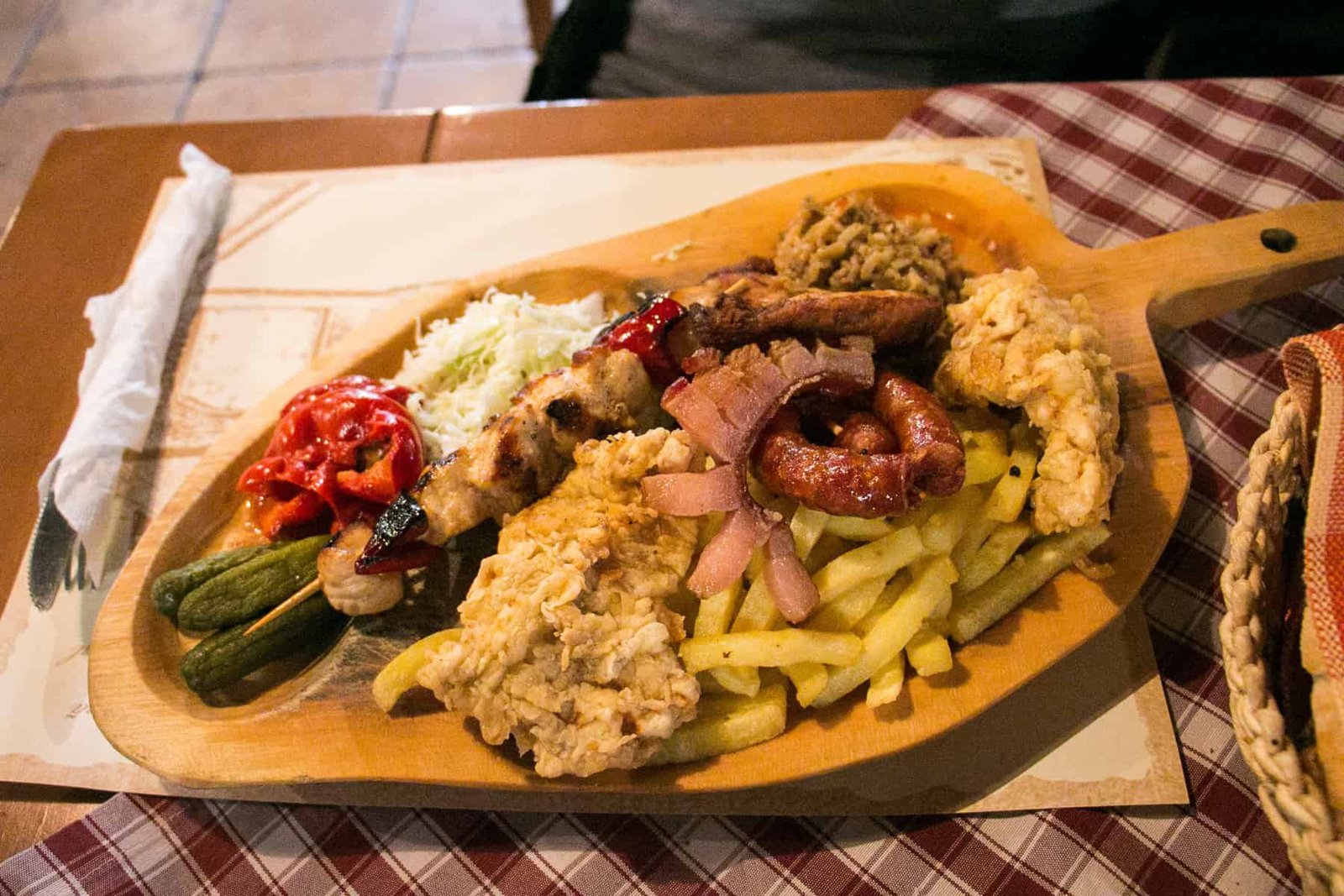
Romanian cuisine is one of those hidden gems in Eastern Europe that surprises you with its heartiness, depth of flavor, and unpretentious comfort. It’s not flashy like French haute cuisine or spicy like Thai, but it wraps you in warmth—like a big hug from a grandmother who insists you eat seconds. At its core, Romanian food is rustic, seasonal, and deeply tied to the land, with pork reigning supreme, lots of sour notes from fermentation, creamy dairy, and cornmeal as a staple side. Imagine dishes that fill you up after a long day in the fields or mountains, blending influences from Ottoman Turks, Hungarians, Greeks, Slavs, and even ancient Roman roots, yet somehow feeling distinctly Romanian.
I remember my first real taste of it during a trip to Transylvania years ago. I wandered into a small family-run spot in Brașov, ordered what I thought was just “cabbage rolls,” and ended up with a steaming plate of sarmale that changed how I thought about stuffed vegetables forever. The tang of pickled cabbage, the rich minced meat, a dollop of sour cream—it was simple, but so satisfying. That’s Romanian food: honest, generous, and full of stories.
The Essence of Romanian Cuisine: Hearty, Sour, and Soul-Warming
Romanian food feels like peasant cooking elevated by love and tradition. Meals center on meat (especially pork), vegetables preserved for winter, dairy from local farms, and grains like corn or wheat. The signature sour taste comes from ingredients like borș (a fermented bran liquid), vinegar, or sauerkraut—giving soups and stews that bright, addictive zing. Portions are big because food was historically fuel for hard work in the Carpathians or on the plains.
It’s comforting rather than refined, with bold but not overwhelming flavors. Spices are subtle—think dill, thyme, garlic, paprika—letting the ingredients shine. And everything feels connected to the seasons: fresh produce in summer, preserved goods in winter, lamb at Easter, pork for Christmas.
Historical Influences That Shaped Romanian Tables
Romania’s position at the crossroads of empires left a delicious mark on its plates. Ottoman rule brought stuffed vegetables, meatballs, and sweet pastries. Hungarian and Austrian touches added creamy stews and strudels. Greek influences show in moussaka-like dishes, while Slavic neighbors contributed hearty soups and dumplings.
But Romanians made these borrowed ideas their own. What started as foreign became tradition through generations of home cooks—mostly women—tweaking recipes with local ingredients like Carpathian herbs or Danube fish. This fusion creates a cuisine that’s familiar yet unique, much like the country itself.
Regional Variations: A Culinary Map of Romania
Romania isn’t huge, but its geography creates distinct food identities.
In Transylvania, Austro-Hungarian roots shine through richer, creamier dishes—think varză a la Cluj (cabbage casserole with layers of meat and sour cream) or heavy cheeses.
Moldavia leans toward hearty soups and polenta-based meals, with influences from nearby Ukraine and Russia—fluffy pastries and mineral-forward wines.
Wallachia (around Bucharest) favors lighter vegetable-forward plates, Ottoman echoes in stuffed peppers, and excellent wines from Dealu Mare.
Dobruja by the Black Sea highlights fish—grilled carp or sturgeon soups—blending Turkish and Bulgarian notes.
No matter the region, meals feel communal, passed down through families.
Signature Dishes: The Stars of Romanian Cuisine
Here are the must-tries that define what Romanian food tastes like.
Sarmale – The Unofficial National Dish
These cabbage rolls are stuffed with minced pork (sometimes beef), rice, onions, and herbs, wrapped in sour cabbage leaves, then slow-cooked with bacon or smoked ribs. The result? Tender, tangy, savory perfection. Served with mămăligă and sour cream.
I once helped a Romanian friend make hundreds for Christmas—rolling them while she shared how her grandma insisted on just the right amount of dill. It’s labor-intensive but worth it; every bite carries holiday warmth.
Mici (Mititei) – Grilled Minced Meat Rolls
These skinless sausages of ground pork, beef, and spices (garlic, paprika, thyme) are grilled over charcoal. Street food royalty, especially at summer festivals. Juicy, smoky, addictive—pair with mustard and beer.
Mămăligă – The Humble Polenta
Cornmeal porridge, boiled to creamy or firm. A side for everything—stews, cheeses, or grilled meats. In villages, it’s still cooked in cauldrons over fire.
Ciorbă – Sour Soups That Define Comfort
Ciorbă means sour soup, a category with endless varieties: ciorbă de burtă (tripe, creamy and garlicky), ciorbă rădăuțeană (chicken with cream), or bean with smoked pork. The sour kick from borș or lemon wakes up the palate.
Papanași – Dessert Heaven
Fried doughnuts filled with sweet cheese, topped with sour cream and jam (usually blueberry or rosehip). Crispy outside, soft inside—pure indulgence.
Other favorites include zacuscă (eggplant-vegetable spread), cozonac (sweet braided bread for holidays), and plăcintă (cheese or apple pies).
Comparison of Key Romanian Staples
| Dish | Main Ingredients | Texture/Flavor Profile | Best Occasion/Serving | Influences |
|---|---|---|---|---|
| Sarmale | Sour cabbage, pork, rice, bacon | Tangy, savory, tender | Holidays, family gatherings | Ottoman/Balkan |
| Mici | Minced meat, garlic, spices | Juicy, smoky, grilled | Street food, BBQs | Local Balkan |
| Mămăligă | Cornmeal, water/salt | Creamy or firm, neutral base | Everyday side | Ancient Roman/peasant |
| Ciorbă | Meat/veggies, sour agent (borș) | Bright, sour, hearty | Lunch starter | Turkish/Slavic |
| Papanași | Cheese dough, fried, jam | Crispy, creamy, sweet-tangy | Dessert anytime | Central European |
Pros and Cons of Romanian Cuisine
Pros:
- Incredibly comforting and filling—perfect for cold winters.
- Affordable and made with fresh, local ingredients.
- Huge variety of soups and preserved foods for all seasons.
- Strong family and holiday traditions around food.
- Balanced flavors: sour cuts richness beautifully.
Cons:
- Heavy on meat and fat—not ideal for light or vegetarian diets (though veggie options exist).
- Can feel repetitive if you’re not into pork or sour tastes.
- Portions are generous; overeating is easy!
- Less emphasis on presentation—it’s about taste over Instagram aesthetics.
A Typical Romanian Meal Structure
Romanians treat lunch as the main event, often multi-course:
- Appetizers: Salată de vinete (eggplant salad), zacuscă, cheeses, cured meats.
- Soup: Always a ciorbă to start.
- Main: Meat dish like sarmale or tochitură (pork stew) with mămăligă.
- Sides: Pickled veggies (murături), salads.
- Dessert: Something sweet like papanași or cozonac.
- Drinks: Tuică (plum brandy), local wine, or beer.
Dinner is lighter—leftovers or soup.
People Also Ask: Common Questions About Romanian Food
What is the national dish of Romania?
Sarmale often takes the crown—stuffed cabbage rolls appear at every celebration.
Is Romanian food spicy?
Not really. It’s flavorful from garlic, herbs, and sour elements, but rarely hot like Indian or Mexican.
What do Romanians eat for Christmas?
Pork dishes dominate (sarmale, drob—liver pâté), cozonac, and lots of pickles. Pork symbolizes prosperity.
Is Romanian cuisine vegetarian-friendly?
Traditionally meat-heavy, but veggie ciorbă, stuffed peppers, mămăligă with cheese, and salads abound. Modern spots offer more options.
What’s a good Romanian street food?
Mici from a grill cart—cheap, quick, delicious.
FAQ: Quick Answers to Your Romanian Food Questions
What does Romanian food taste like overall?
Hearty and comforting with sour, garlicky, herby notes. Think Eastern European home cooking: rich meats balanced by tang and cream.
Where can I try authentic Romanian food?
In Romania: local “cârciumi” (taverns) or home-style restaurants in Bucharest, Brașov, or Sibiu. Abroad: Romanian communities in cities like New York or London have spots.
How healthy is Romanian food?
It’s nourishing but calorie-dense from fats and carbs. Balance with walks in the mountains!
What’s a beginner’s must-try Romanian dish?
Start with sarmale and mămăligă—it’s approachable and iconic.
Are there famous Romanian desserts?
Yes—papanași for fried bliss, cozonac for holiday sweetness, plăcintă for flaky pies.
Romanian food isn’t about Michelin stars; it’s about gathering, sharing, and savoring life’s simple riches. Next time you’re craving something soul-satisfying, skip the trends and try a plate of sarmale. You might just find your new comfort food. If you ever visit, save room—grandmas there will make sure you do.