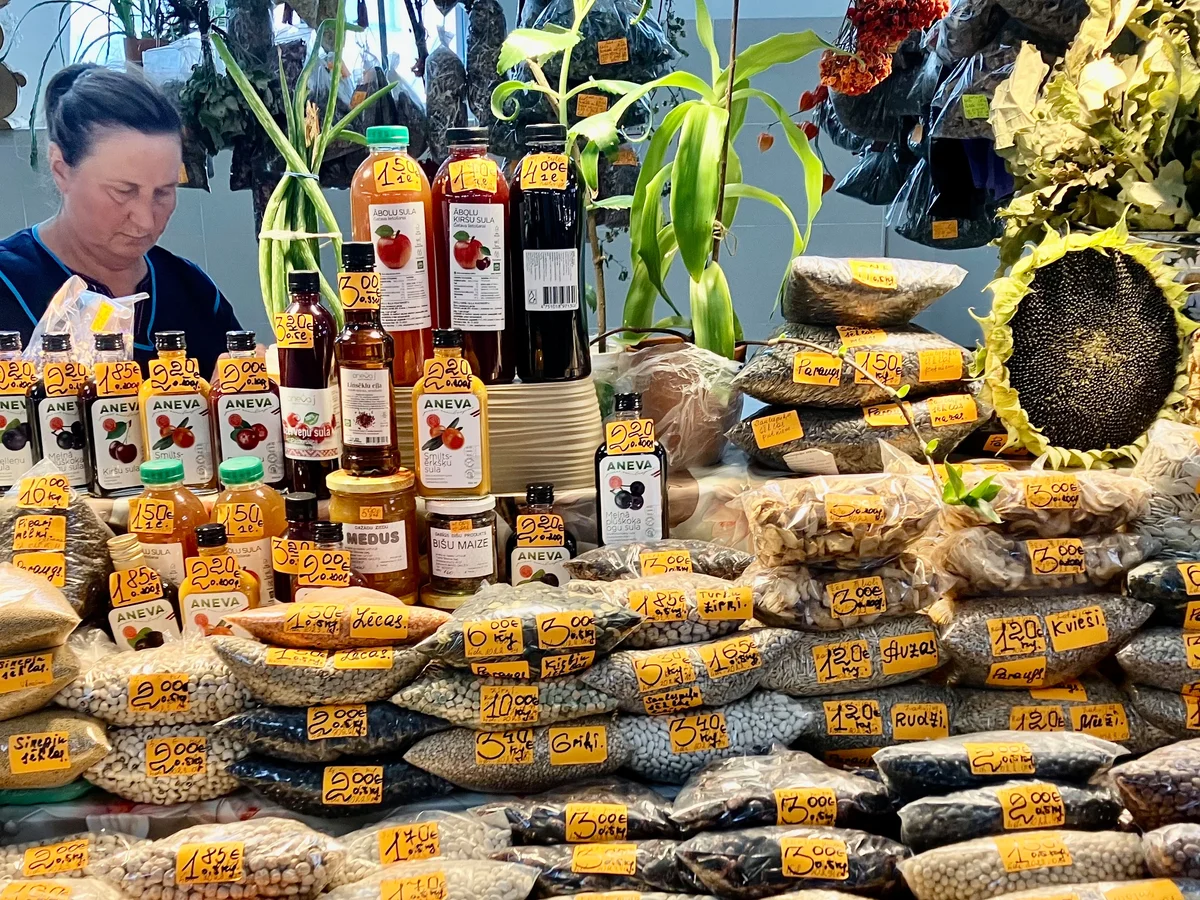
The Baltic region—comprising Lithuania, Latvia, and Estonia—offers a cuisine that’s hearty, grounded in the land and sea, and shaped by long winters, short summers, and a history of making do with what’s available. Think dense rye bread that’s almost addictive, potatoes in every form imaginable, smoked meats, fresh fish from the Baltic Sea, and bold flavors from pickling, fermenting, and foraging. It’s not flashy like French haute cuisine or spicy like Indian fare, but it delivers comfort and authenticity in a way that feels deeply satisfying.
I’ve wandered the cobblestone streets of Vilnius, gotten lost in Riga’s markets, and savored quiet meals in Tallinn’s old town. Each time, I discovered that the real gems aren’t always in tourist traps—they’re in family-run spots or markets where locals eat. Authentic Baltic food rewards those who seek it out with simple, soul-warming dishes that tell stories of resilience and seasonality.
What Makes Baltic Cuisine Unique?
Baltic food draws from shared roots: rye thrives here better than wheat, potatoes became a staple after the 18th century, and the sea provides herring and sprats. Pork dominates meats, dairy like sour cream and curd cheese adds creaminess, and wild elements—mushrooms, berries, herbs—bring freshness.
Influences come from neighbors: German, Russian, Scandinavian, even Polish. Yet each country has its spin. Lithuania leans heavy on potatoes (those massive dumplings!), Latvia emphasizes peas and grains, Estonia highlights coastal fish and Nordic simplicity.
- Common threads — Black rye bread, beet-based soups, blood sausages, potato pancakes.
- Seasonal rhythm — Hearty stews in winter, cold soups and berries in summer.
The cuisine feels honest—no pretension, just good food that sticks to your ribs.
Iconic Dishes Across the Baltics
Let’s break down must-try dishes, grouped by country but with overlaps.
Lithuanian Specialties
Lithuania’s food is potato heaven. Locals joke that if a dish doesn’t have potatoes, it’s probably dessert.
Cepelinai (Zeppelins) — These football-sized potato dumplings stuffed with minced pork (or sometimes cheese for vegetarians) are boiled, then smothered in sour cream, bacon bits, and pork cracklings. The name comes from their shape resembling airships. My first bite in Vilnius was overwhelming—dense, comforting, and ridiculously filling. Pair it with a cold local beer.
Šaltibarščiai — Cold beet soup that’s shockingly pink. Buttermilk base, grated beets, cucumber, dill, hard-boiled eggs. It’s refreshing on hot days, like a savory smoothie. I had it lakeside near Trakai Castle—perfect after hiking.
Kepta duona — Fried rye bread rubbed with garlic. Crunchy outside, soft inside. A bar snack staple.
Other highlights — Kugelis (potato pudding), kibinai (Karaite pastries with meat), tinginys (lazy man’s chocolate “salami”).
Latvian Favorites
Latvia balances hearty and fresh, with a love for fermented and pickled items.
Grey peas with bacon — Grey peas (like large lentils) boiled, mixed with onions and crispy bacon. Served with kefir. Rustic and earthy—tastes like winter in a bowl.
Aukstā zupa — Latvia’s version of cold beet soup, similar to Lithuania’s but often with added radish or kefir tang.
Pirāgi — Small baked buns filled with bacon and onion. Addictive; I once ate a dozen at Riga’s Central Market without shame.
Kartupeļu pankūkas — Potato pancakes, crispy and golden, topped with sour cream or lingonberries.
Blood sausage — Kūpināta asinsdesa, spiced and smoked, often with lingonberry sauce.
Estonian Standouts
Estonia feels more Nordic—lighter, with emphasis on fish and foraged goods.
Verivorst — Blood sausage, a Christmas staple, served with lingonberries.
Kiluvõileib — Open-faced sprat sandwich on rye bread with butter, egg, and pickles. Salty, briny perfection.
Mulgipuder — Barley and potato porridge with pork—pure comfort.
Suvesupp — Cold beet soup variant.
Rosolje — Herring salad with beets, potatoes, eggs—colorful and tangy.
Smoked fish and elk or wild boar appear often too.
Comparison: Signature Dishes Side by Side
| Dish Category | Lithuania | Latvia | Estonia |
|---|---|---|---|
| Potato Dumplings | Cepelinai (meat-stuffed) | Pelmeni (smaller, varied) | Pelmeenid (similar to pelmeni) |
| Cold Beet Soup | Šaltibarščiai (buttermilk) | Aukstā zupa | Suvesupp |
| Blood Sausage | Kraujinė dešra | Kūpināta asinsdesa | Verivorst |
| Potato Pancakes | Bulviniai blynai | Kartupeļu pankūkas | Kartulipannkoogid |
| Iconic Snack | Kepta duona (garlic bread) | Pirāgi (bacon buns) | Kiluvõileib (sprat sandwich) |
These overlaps show unity, but nuances make each worth exploring.
Where to Find Authentic Baltic Food
Tourist spots often serve watered-down versions—go local.
Vilnius, Lithuania
- Etno Dvaras for cepelinai.
- Senoji Kibinine for kibinai and soups.
- Forto Dvaras or Leiciai Aline for homey vibes.
Riga, Latvia
- LIDO (buffet-style, massive selection of traditional).
- Central Market for pirāgi, smoked fish, fresh everything.
- XL Pelmeni for dumplings.
Tallinn, Estonia
- Moon for blood sausage and smoked fish.
- III Draakon (medieval tavern) for pirukas and ale.
- Hansa Tall in Tartu for smoky meats.
Markets are gold: Riga’s Central Market (huge UNESCO site), Tallinn’s Balti Jaam, Vilnius’ Halės Turgus.
For modern twists, Michelin-recognized spots like Demo (Vilnius), JOHN Chef’s Hall (Riga), 180° (Tallinn) reimagine traditions sustainably.
Pros of traditional spots: Affordable, authentic, local crowds.
Cons: Portions huge, less English, cash-only sometimes.
Tips for Spotting (and Enjoying) Authentic Food
- Look for “etno” or “traditional” signs.
- Ask locals: “Kur valgo vietiniai?” (Lithuanian for “Where do locals eat?”).
- Avoid Old Town tourist menus with photos.
- Try seasonal: mushrooms in fall, berries in summer.
- Pair with drinks—local beers, kvass (fermented rye bread drink), or herbal liqueurs.
Humor break: Cepelinai are so filling, one might fuel you for a Baltic road trip. Eat one, then nap—it’s tradition!
People Also Ask (PAA) Section
What is traditional Baltic food?
Hearty, potato- and rye-based dishes with pork, fish, beets, and dairy. Focus on local, seasonal ingredients like mushrooms and berries.
What is the national dish of Lithuania?
Cepelinai—potato dumplings stuffed with meat, served with sour cream and bacon.
Is Baltic food similar to Scandinavian?
Some overlap (rye bread, fish, simplicity), but Baltics are heavier on potatoes and pork, less seafood-focused than pure Nordic.
What do Estonians eat for breakfast?
Often rye bread with cheese or sausage, porridge, or open sandwiches. Coffee is strong.
Is there vegetarian Baltic food?
Yes—potato pancakes with sour cream, curd dumplings, mushroom dishes, beet soup (skip meat versions).
FAQ
Is Baltic food spicy?
Not really—flavors are mild, savory, with garlic, dill, caraway. Sour from ferments, smoky from meats.
Can I find gluten-free options?
Challenging due to rye and potatoes, but fish, meats, veggies work. Ask for buckwheat or potato-based.
What’s a good starter for Baltic cuisine newbies?
Cold beet soup in summer or potato pancakes year-round—approachable and delicious.
How authentic are market foods?
Very—Riga Central Market or Tallinn markets offer direct-from-producer items.
Best time to visit for food?
Summer for fresh berries and cold soups; winter for hearty stews and Christmas markets.
Baltic cuisine isn’t about Instagram aesthetics—it’s about warmth, history, and honest flavors. Next time you’re in Vilnius, Riga, or Tallinn, skip the chain and seek the smoky, garlicky, potato-packed real deal. Your taste buds (and probably your belt) will thank you.