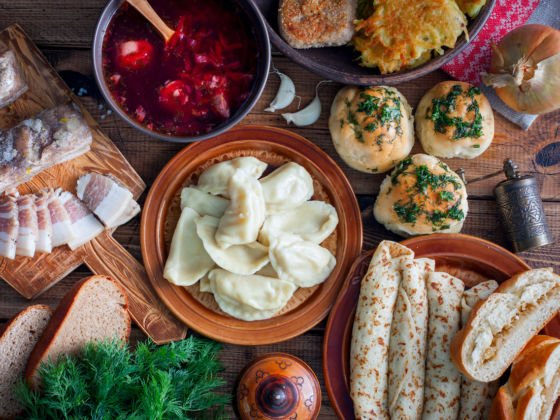
Ukrainian cuisine is all about warmth, simplicity, and that deep sense of home. When the winters bite hard or life throws curveballs, Ukrainians turn to dishes that wrap you in comfort like a thick wool blanket. These aren’t fancy restaurant plates—they’re the foods grandma made on Sundays, the ones that fill the house with smells that pull everyone to the table. Think hearty soups, stuffed dough, and veggies pulled straight from the garden. Ukraine, often called Europe’s breadbasket, grows incredible beets, cabbage, potatoes, and grains, and those humble ingredients shine in its comfort classics.
I’ve spent time in Ukrainian homes (through family friends and travels before things got complicated), and what strikes me most is how these foods carry stories. A bowl of borscht isn’t just lunch—it’s a ritual, a way to remember roots amid change. Here are five that truly define Ukrainian comfort food: borscht, varenyky, holubtsi, deruny, and syrnyky. Each one tells a piece of the culture’s resilience and love for hearty, soul-satisfying eats.
Borscht: The Heartbeat of Ukrainian Tables
Borscht is more than soup—it’s Ukraine’s national dish, so much so that UNESCO recognized the culture of Ukrainian borscht cooking in 2022 as intangible heritage worth protecting. This beet-based soup comes in endless regional variations, but the classic red version is vibrant, tangy, and deeply nourishing.
Every family has their twist. My friend’s babusia (grandma) from western Ukraine swore by adding a bit of smoked pork rib for that extra depth, while eastern versions might lean vegetarian with mushrooms. The beets give it that unmistakable ruby color, balanced by cabbage, carrots, potatoes, and a hit of sourness from tomatoes or vinegar. Top it with a generous dollop of smetana (sour cream) and fresh dill, and pair it with pampushky—garlic-rubbed doughnuts—for the full experience. It’s the ultimate winter warmer, perfect after a long day in the cold.
- Key ingredients: Beets, cabbage, carrots, potatoes, onions, garlic, meat or vegetable broth, sour cream, dill.
- Why it’s comforting: The rich broth and veggies feel like a hug in a bowl, especially when shared family-style.
Varenyky: Dumplings That Bring Everyone Together
Varenyky (sometimes called Ukrainian pierogi) are those little boiled dumplings that pack big flavor. The dough is simple—flour, water, egg—but the fillings? That’s where the magic happens. Savory options like potato and cheese, sauerkraut, or mushroom dominate, while sweet versions with cherries, strawberries, or poppy seeds turn them into dessert.
I remember a summer in a village near Lviv where we spent an afternoon folding hundreds by hand. The kids argued over who got the “ugly” ones to eat first. Boiled then lightly fried in butter and onions, they’re crispy outside, soft inside, and always served with sour cream. Varenyky show up at holidays, funerals, celebrations—anytime people need reminding that simple things can be extraordinary.
Popular fillings comparison:
| Filling Type | Common Ingredients | Flavor Profile | Best Served With |
|---|---|---|---|
| Savory Potato | Mashed potatoes, cheese, onion | Creamy, hearty | Fried onions, sour cream |
| Sauerkraut | Fermented cabbage, sometimes mushrooms | Tangy, earthy | Sour cream |
| Cherry (sweet) | Fresh or frozen cherries, sugar | Tart-sweet | Sour cream or honey |
Pros of making varenyky at home: Fun family activity, freeze beautifully for quick meals.
Cons: Time-consuming to fold if you’re doing it solo—recruit helpers!
Holubtsi: Stuffed Cabbage Rolls Full of Nostalgia
Holubtsi, or stuffed cabbage rolls, are the definition of slow-cooked comfort. Tender cabbage leaves wrap a filling of ground meat (pork and beef mix is classic), rice, onions, and spices, then simmer in tomato sauce until meltingly soft. The rolls get sliced open at the table, sauce spooned over, and sour cream added for creaminess.
These remind me of cold evenings when the house smelled like simmering tomatoes and dill. My Ukrainian neighbor once told me her mom made them in huge batches to freeze—emergency comfort food for when relatives dropped by unannounced. It’s labor-intensive (blanching cabbage leaves takes patience), but the payoff is a dish that feels like pure love. Vegetarian versions with buckwheat or mushrooms work great too.
- Pros: Hearty, make-ahead, stretches ingredients far.
- Cons: Cabbage prep can be fiddly; not quick-cook.
Serve with bread to mop up the sauce—it’s impossible to leave any behind.
Deruny: Crispy Potato Pancakes for Any Time of Day
Deruny (also called potato latkes or draniki) are golden, crispy potato pancakes that Ukrainians eat for breakfast, lunch, or as a side. Grated potatoes mixed with onion, egg, flour, and salt, then fried until crunchy edges form. They’re simple but addictive, especially with sour cream or a garlicky dip.
Growing up with Ukrainian influences, I learned deruny are the ultimate hangover cure or post-snow-shoveling reward. The key is squeezing out excess water from the grated potatoes for maximum crispiness. Some add carrots or zucchini for variety, but plain potato reigns supreme. Light humor here: If your deruny aren’t crispy enough, your babusia might gently tease you about needing more practice—it’s all love.
Quick tips:
- Use starchy potatoes like Russets.
- Don’t overcrowd the pan—crispiness needs space.
- Serve immediately for peak texture.
Syrnyky: Cheese Pancakes That Feel Like a Treat
Syrnyky are fried farmer’s cheese pancakes—dense, slightly tangy, and dusted with powdered sugar or served with jam. Made from tvorog (fresh curd cheese), eggs, flour, sugar, and vanilla, they’re smaller than American pancakes but richer.
These were my go-to breakfast when visiting friends in Kyiv. Crispy outside, fluffy inside, topped with sour cream and berries—they turn any morning into something special. Kids love them, adults sneak seconds. They’re lighter than they sound, packed with protein from the cheese.
Syrnyky serving ideas:
- Classic: Sour cream + honey.
- Fruity: Berry compote or fresh strawberries.
- Savory twist: Skip sugar, add herbs for a side dish.
People Also Ask (PAA)
What is the most famous Ukrainian dish?
Borscht tops the list—it’s not just food, it’s cultural identity, with regional recipes passed down for generations.
What are Ukrainian dumplings called?
Varenyky. They’re boiled (unlike fried pierogi in some traditions) and come in sweet or savory fillings.
Is Ukrainian food similar to Polish or Russian?
Yes, overlaps exist due to shared history—think dumplings and cabbage rolls—but Ukraine emphasizes beets, dill, and sour cream uniquely.
What is a traditional Ukrainian breakfast?
Often syrnyky, sirniki, or simple tvorog with honey, plus bread and tea. Hearty starts to the day.
Where can I try authentic Ukrainian food outside Ukraine?
Look for spots like Veselka in New York or local diaspora restaurants in Canada and Europe—many offer homemade-style borscht and varenyky.
FAQ
Is borscht always made with beets?
In Ukraine, yes—the red beet version is standard, though green borscht (with sorrel) exists too.
Can these dishes be made vegetarian?
Absolutely. Borscht, varenyky, holubtsi, and deruny all have meat-free versions that taste just as comforting.
What’s the role of sour cream in Ukrainian cooking?
It’s everywhere—dolloped on soups, dumplings, pancakes. It adds creaminess and balances tanginess.
Are these foods healthy?
They use whole ingredients like veggies and fermented cabbage (good for gut health), but portions are hearty—moderation is key.
How do Ukrainians preserve these traditions abroad?
Through family recipes, church events, and restaurants. Sharing food keeps culture alive, especially in tough times.
These five dishes—borscht, varenyky, holubtsi, deruny, and syrnyky—capture Ukraine’s essence: resourceful, flavorful, and deeply comforting. They’re proof that the best foods don’t need complexity; they just need heart. Next time you’re craving something soul-warming, try one. You might find a little piece of Ukraine right in your kitchen.