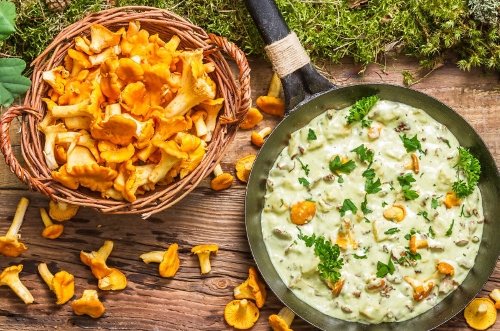
The quest for authentic Baltic food often starts with curiosity about the cuisines of Estonia, Latvia, and Lithuania. These three neighboring countries share a rugged northern landscape, a history of resilience through occupations and harsh winters, and a food culture that’s deeply tied to the land, sea, and seasons. Baltic cuisine isn’t flashy or spice-heavy like some global favorites—it’s honest, hearty, and comforting, built on rye bread, potatoes, pork, dairy, smoked fish, foraged mushrooms, and berries.
I remember my first real taste of it during a chilly autumn trip to Riga. Wandering the massive Central Market, I bit into a warm pirāgi—a small bacon-and-onion-filled pastry—and felt an instant connection. It wasn’t gourmet in the fancy sense, but it carried stories: family recipes passed down, midsummer celebrations, and the simple joy of using what the short growing season provides. If you’re hunting for that same authenticity—whether traveling to the Baltics or recreating it at home—this guide will help you navigate the real thing, avoiding tourist traps and watered-down versions.
What Defines Authentic Baltic Cuisine?
Baltic food reflects a shared history under Swedish, German, Russian, and Soviet influences, yet each country has carved out its identity. The common thread? Seasonal, local ingredients from forests, fields, and the Baltic Sea. Rye dominates because it thrives in the poor soil and cold climate, while potatoes became a staple after their introduction. Pork and dairy provide richness in long winters, and preservation techniques like smoking, pickling, and fermenting keep food available year-round.
In Estonia, expect lighter touches with fish and foraged goods. Latvia leans into pork and peas with a rustic edge. Lithuania loves potatoes in creative forms. Across the board, flavors come from dill, caraway, juniper, and sour cream rather than bold spices.
Iconic Dishes You Need to Try
Let’s break down some must-try classics that capture the essence of Baltic cooking.
Cepelinai (Lithuanian Potato Dumplings)
These football-sized potato dumplings—stuffed with spiced pork or cottage cheese—are Lithuania’s pride. Grated raw potatoes form the dough, boiled, then topped with bacon bits and sour cream. The name comes from their zeppelin shape.
They’re heavy and satisfying, perfect after a cold day. I once had them at a family-run spot in Vilnius where the owner proudly said her grandmother’s recipe hadn’t changed in decades.
Pirāgi (Latvian Bacon Buns)
Small, crescent-shaped pastries filled with bacon, onion, and sometimes caraway. Baked until golden, they’re a holiday staple, especially during Jāņi (Midsummer).
Warm from the oven, they’re addictive—crispy outside, soft inside, with that smoky bacon punch.
Kiluvõileib (Estonian Sprat Sandwich)
Open-faced rye bread slathered in butter, topped with pickled Baltic sprats (small herring), boiled egg, and onion. Simple but bold—the fish’s brininess pairs perfectly with the dense bread.
It’s a quick lunch staple in Tallinn, often washed down with kali (a fermented bread drink).
Šaltibarščiai (Cold Beet Soup)
A vibrant pink summer soup from Lithuania (also popular in Latvia as aukstā zupa). Kefir or buttermilk base with grated beets, cucumber, dill, and hard-boiled eggs. Served chilled with hot boiled potatoes.
Refreshing on hot days, it’s like a lighter borscht with a tangy twist.
Grey Peas with Bacon (Latvian Pelēkie zirņi ar speķi)
Soaked grey peas cooked soft, mixed with crispy bacon and onions, often with buttermilk or kefir on the side.
A hearty winter dish—earthy peas balanced by smoky pork.
Other highlights include verivorst (Estonian blood sausage), kartupeļu pankūkas (Latvian potato pancakes), and kepta duona (Lithuanian fried rye bread with garlic).
Key Ingredients in Baltic Cooking
- Rye bread (rupjmaize/rukkileib) — Dense, sour, malty; a meal in itself.
- Potatoes — Boiled, fried, grated, or mashed; versatile base.
- Pork — Smoked, roasted, in sausages; fatty cuts for flavor.
- Fish — Baltic herring, sprats, smoked salmon; pickled or fresh.
- Dairy — Sour cream, cottage cheese, kefir; adds creaminess.
- Foraged — Mushrooms (chanterelles, boletes), berries (lingonberries, bilberries).
- Herbs/Spices — Dill, caraway, juniper; subtle aromatics.
Comparison of Baltic Cuisines: Estonia vs. Latvia vs. Lithuania
| Aspect | Estonia | Latvia | Lithuania |
|---|---|---|---|
| Signature Dish | Kiluvõileib, verivorst | Pirāgi, grey peas with bacon | Cepelinai, šaltibarščiai |
| Key Protein | Fish, game (moose, boar) | Pork, smoked meats | Pork, potatoes as “meat” |
| Bread Style | Dark rye, often with seeds | Rupjmaize (sour rye) | Dark rye, often with caraway |
| Seasonal Focus | Summer berries, mushrooms | Peas, pork in winter | Potatoes year-round, cold soups summer |
| Influences | Nordic, Finnish | German, Russian | Polish, Slavic |
Estonia feels more seafood-forward, Latvia pork-centric, Lithuania potato-dominant—but overlaps abound.
Where to Find Authentic Baltic Food in the Baltics
The best spots are family-run taverns or markets, not flashy tourist places.
- Tallinn, Estonia: Moon for blood sausage and smoked fish; Olde Hansa for medieval vibes with game.
- Riga, Latvia: Central Market for pirāgi and smoked goods; Province for traditional peas and pork.
- Vilnius, Lithuania: Etno Dvaras for cepelinai; Senoji Kibinine for soups.
Look for places using local ingredients and avoiding international twists.
Finding Authentic Baltic Food Outside the Region
Outside the Baltics, it’s trickier—many spots blend Eastern European flavors.
In Europe: Specialty delis in Germany, Poland, or UK cities like London (Baltic Food Oxford or similar importers).
In the US: Eastern European markets in Chicago, New York, or Boston (Baltic European Deli for Lithuanian goods). Online: BalticShop.com ships rye bread, chocolates, and preserves.
Food trucks or pop-ups occasionally appear in cities with Baltic communities.
Pros of seeking abroad:
- Access to imports like Laima chocolates or authentic rye.
- Community events during festivals.
Cons:
- Often mixed with Polish/Russian items.
- Fresh items hard to find.
Tips for Spotting Truly Authentic Baltic Food
- Ask locals or check reviews for “traditional” mentions.
- Avoid menus heavy on pizza or burgers.
- Look for rye bread as a staple.
- Seasonal specials signal freshness.
- Family-owned spots often preserve recipes best.
Humor: I once ordered “authentic” Baltic in a tourist cafe—got a sad sprat sandwich on white bread. Lesson learned: if the bread isn’t dark and dense, run!
People Also Ask (PAA)
What is traditional Baltic food?
Hearty, seasonal dishes using rye, potatoes, pork, fish, and dairy—think dumplings, smoked meats, and soups.
What is the national dish of Lithuania?
Cepelinai, those massive potato dumplings.
Is Baltic food similar to Scandinavian?
Some overlap (rye, fish, foraging), but Baltic is heartier with more pork and potatoes.
What do Estonians eat for breakfast?
Rye bread with cheese, sausage, or herring; porridge in winter.
How healthy is Baltic cuisine?
Nutrient-dense from whole grains and veggies, but high in fats from pork and dairy.
FAQ
How can I make authentic Baltic food at home?
Start with rye bread (bake or buy dense versions), use sour cream liberally, and source smoked fish. Books like “Baltic: New and Old Recipes” help.
Is Baltic cuisine vegetarian-friendly?
Traditionally meat-heavy, but mushrooms, potatoes, dairy, and berries offer options—grey peas or cold beet soup work well.
What drinks pair with Baltic food?
Local beers, kvass, or herbal teas; kali in Estonia for a fizzy bread drink.
Why is rye bread so important?
It grows well in poor soil, stores long, and provides nutrition—it’s cultural identity.
Where can I buy Baltic ingredients online?
Sites like BalticShop.com or Eastern European grocers ship worldwide.
Authentic Baltic food rewards patience—it’s not instant gratification cuisine, but the slow, comforting flavors build lasting memories. Whether you’re in Vilnius biting into cepelinai or recreating pirāgi in your kitchen, it’s about connecting to a resilient heritage. Next time you’re near the Baltic Sea (or a good deli), seek it out. Your taste buds—and maybe your soul—will thank you.