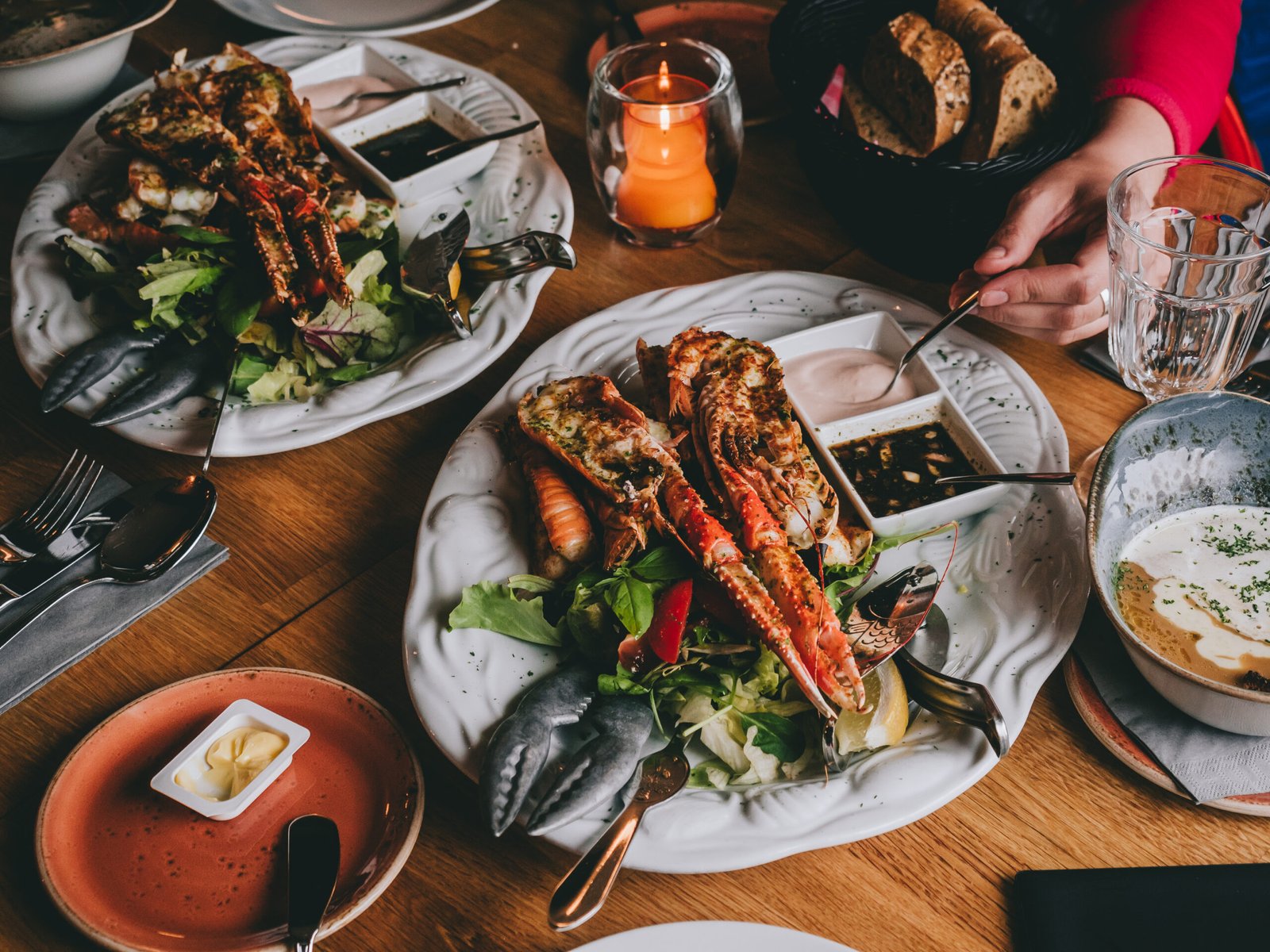
Traditional Icelandic food reflects a history of resilience in one of the harshest environments on Earth. Settled by Vikings around 874 AD, Iceland’s cuisine evolved from necessity—limited arable land, long winters, and reliance on the sea and sheep farming. Preservation techniques like fermenting, smoking, drying, and pickling in whey became essential for survival, shaping distinctive flavors that range from creamy and comforting to boldly pungent. Today, while modern influences and fresh imports exist, traditional dishes remain a source of cultural pride, often tied to festivals like Þorrablót in midwinter.
These foods tell stories of ingenuity. Imagine early settlers facing endless cold with no fancy imports—every part of the animal or catch was used, and nothing went to waste. That spirit lingers in every bite.
The Foundations of Icelandic Cuisine
Icelandic food centers on three main pillars: lamb from free-roaming sheep, abundant seafood from the North Atlantic, and dairy products from hardy cows.
Lamb dominates because sheep thrive in the rugged landscape, grazing on wild grasses and herbs that give the meat its mild, flavorful profile. Seafood, especially cod, haddock, and herring, has sustained coastal communities for centuries. Dairy, particularly skyr, provides protein in a land where vegetables were once scarce.
These elements combine in simple, hearty preparations that prioritize flavor over complexity.
Skyr: Iceland’s Superfood Staple
Skyr is a thick, creamy dairy product with roots in Viking times. Technically a soft cheese made from skimmed milk and live cultures, it tastes like a tangy yogurt but packs far more protein—often double that of regular yogurt—with low fat.
Locals eat it plain, with berries, or as a breakfast base. I remember my first trip to Iceland, grabbing a tub from a Reykjavik supermarket; one spoonful and I understood why it’s everywhere. It’s refreshing yet filling, perfect after a long hike.
Nutritionally, it’s a powerhouse: high in probiotics, calcium, and protein. Modern brands have globalized it, but authentic Icelandic skyr remains unmatched in texture and tang.
Icelandic Lamb: From Meadows to Table
Icelandic lamb stands apart due to the breed’s purity—descendants of Viking-imported sheep that roam freely year-round. Grass-fed and hormone-free, the meat is tender, mildly gamey, and rich without heaviness.
Classic preparations include kjötsúpa (lamb soup), a hearty stew with root vegetables, potatoes, and turnips. It’s the ultimate comfort food on a blustery day. Hangikjöt—smoked lamb—often appears boiled or cold-sliced during holidays, with a distinctive smoky aroma.
Pros of Icelandic lamb:
- Exceptionally flavorful from natural diet
- Sustainable and ethical farming practices
- Versatile in soups, roasts, or grilled
Cons:
- Can be pricier due to limited production
- Stronger taste may not appeal to everyone
Compared to New Zealand or Australian lamb, Icelandic versions are less fatty and more herbaceous.
Seafood: Bounty from the Cold Waters
With miles of coastline, fish defines everyday eating. Fresh cod, haddock, and Arctic char appear pan-seared, grilled, or in stews. Plokkfiskur, a comforting fish pie of mashed potatoes, white fish, onions, and béchamel, is a home-cooked favorite—simple yet deeply satisfying.
Harðfiskur (dried fish) is wind-dried haddock or cod, eaten like jerky with butter. It’s a snack that’s acquired but oddly addictive once you get past the chewiness.
Pickled herring and smoked salmon round out the offerings, often served on rye bread.
Fermented and Preserved Delicacies
Preservation defines many iconic dishes. Hákarl—fermented Greenland shark—is the most notorious. The shark’s high urea content makes fresh meat toxic, so it’s buried or cured for months to ferment, then dried. The result? Ammonia-scented cubes with a strong, cheese-like pungency.
Many try it chased with brennivín (black death schnapps) during Þorrablót. It’s an acquired taste—I’ve seen brave tourists gag, but locals treat it as cultural heritage.
Svið (singed sheep’s head) involves boiling the head after singeing the wool; cheeks and tongue are prized. Slátur includes blood pudding and liver sausage, reminiscent of haggis.
These aren’t daily fare but festival foods that honor survival traditions.
Breads and Baked Goods
Rúgbrauð is dense, dark rye bread, often baked in geothermal ground for a sweet, malty flavor—crustless and moist. It’s perfect with butter or topped with hangikjöt.
Kleinur are twisted doughnuts fried crisp, dusted with sugar—simple coffee companions. Laufabrauð (“leaf bread”) is thin, fried rounds decorated for Christmas.
Bakeries thrive, blending tradition with fresh pastries.
Everyday Favorites and Modern Twists
The Icelandic hot dog (pylsur) mixes lamb, pork, and beef, topped with remoulade, ketchup, mustard, onions (raw and fried). Bæjarins Beztu in Reykjavik serves legendary ones—Bill Clinton famously ordered without the remoulade.
Ice cream and licorice are beloved; bragðarefur lets you mix flavors wildly.
Þorramatur: The Midwinter Feast
Þorramatur is a buffet of preserved meats and fish during Þorrablót—hákarl, svið, pickled meats, dried fish—with rúgbrauð and brennivín. It’s a social ritual celebrating heritage.
People Also Ask
What is the most traditional food in Iceland?
Lamb-based dishes like kjötsúpa and hangikjöt, alongside skyr and fish stews, form the core. Hákarl often gets called the “national dish” for its notoriety.
What is Iceland’s national dish?
Hákarl (fermented shark) is frequently cited, though many argue for lamb or skyr as more everyday staples.
Is Icelandic food healthy?
Yes—high in protein from lamb, fish, and skyr; low in processed items traditionally. Fresh, local ingredients dominate.
What do Icelanders eat for breakfast?
Skyr with fruit or cereal, rye bread with cheese or meat, coffee, and sometimes oatmeal.
Do they eat fermented shark every day?
No—it’s mainly for festivals or as a dare for tourists.
FAQ
Is skyr the same as Greek yogurt?
No—skyr is strained more, higher in protein, and tangier. It’s a cheese, not yogurt.
Where can I try authentic traditional Icelandic food?
In Reykjavik: Baejarins Beztu for hot dogs, local restaurants for lamb soup, or food tours. For preserved items, visit during Þorrablót or specialty spots like the Bjarnarhöfn Shark Museum.
Is Icelandic lamb better than other lamb?
Many say yes—the free-range, grass-fed diet gives it superior flavor and tenderness.
What should picky eaters try?
Start with hot dogs, skyr, fresh fish, or lamb soup—familiar yet distinctly Icelandic.
How has climate affected Icelandic cuisine?
Limited growing seasons led to reliance on preservation, fishing, and sheep—creating unique fermented and dried foods.
Icelandic food isn’t flashy—it’s honest, rooted in the land and sea. Trying these dishes connects you to centuries of adaptation and joy in simple sustenance. Next time you’re there, skip the tourist traps and seek out a bowl of kjötsúpa or a slice of hangikjöt. You’ll taste the story of a nation that turned hardship into heritage.