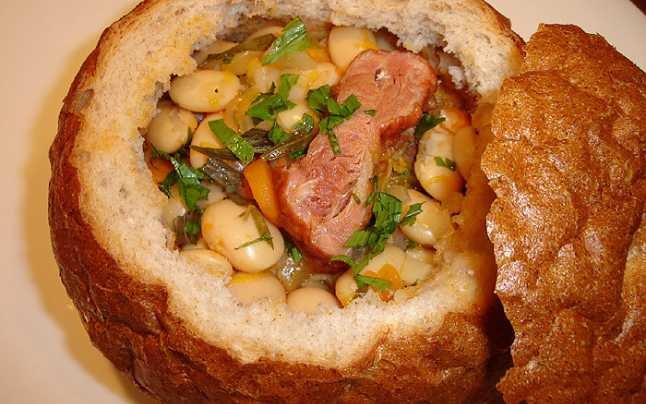
The title of the article should be something like: 10 Traditional Dishes You Should Try: A Global Culinary Journey Worth Every Bite
Food has this magical way of transporting you. One bite, and suddenly you’re not just eating—you’re stepping into someone’s home, history, or street corner halfway across the world. I’ve chased flavors from bustling markets to quiet family kitchens, and let me tell you, nothing beats discovering a dish in its birthplace. These 10 traditional dishes stand out not just for taste, but for the stories they carry. They’re the ones that make you pause, savor, and maybe even plan your next trip around them.
I’ve selected a diverse mix from different continents, based on what travelers, locals, and food lovers consistently rave about. From comforting stews to vibrant street eats, here’s your must-try list.
1. Sushi – Japan
Sushi isn’t just raw fish on rice—it’s an art form perfected over centuries.
In Tokyo’s quiet sushi bars or along Kyoto’s riverside spots, the experience hits different. Fresh, seasonal ingredients meet precise technique: vinegared rice, wasabi, soy, and pristine seafood. I remember my first omakase meal—chef after chef placed pieces in front of me, each one building on the last. The melt-in-your-mouth toro (fatty tuna) still haunts my dreams. It’s clean, balanced, and humbling.
Pros of trying authentic sushi: incredibly fresh flavors, health benefits from omega-3s.
Cons: Can be pricey outside Japan, and quality varies wildly.
2. Paella – Spain
This golden rice dish from Valencia screams celebration.
Saffron-infused bomba rice simmers with seafood, rabbit, chicken, or veggies in a wide pan over an open flame. The socarrat—that crispy bottom layer—is the real prize. I once joined a family paella cookout on the beach; everyone argued over who added the perfect pinch of paprika. It’s communal, smoky, and impossible to rush.
Where to try: Valencia for the original seafood version. Look for places using wood fire.
3. Pho – Vietnam
A bowl of pho is like a warm hug from Hanoi streets.
Beef or chicken simmers for hours into a clear, aromatic broth scented with star anise, cinnamon, and ginger. Rice noodles, herbs, lime, chili, and bean sprouts pile in. Slurping it roadside at dawn, watching scooters zip by, feels like the city’s heartbeat. My go-to fix after long flights—nothing clears jet lag like that first spicy sip.
Variations: Northern pho is subtler; southern adds more herbs and sweetness.
4. Pizza Margherita – Italy
Simple doesn’t mean boring.
Just dough, San Marzano tomatoes, mozzarella, basil, and olive oil—baked blistering hot in a wood-fired oven. In Naples, where it was invented for Queen Margherita, the crust puffs up with leopard spots from the fire. I devoured my first one standing outside Da Michele, sauce dripping down my chin, grinning like an idiot.
Why it’s special: It’s UNESCO-recognized intangible heritage.
5. Tacos al Pastor – Mexico
Street food royalty.
Pork marinates in chilies and pineapple, then slow-roasts on a vertical spit (inspired by Lebanese shawarma). Thin slices shave off into warm corn tortillas with onion, cilantro, pineapple, and salsa. Late-night Mexico City taquerias serve them with a side of lime and beer. One bite, and the sweet-spicy-tangy explosion makes you question every taco you’ve had before.
Pro tip: Always add extra lime and salsa verde.
6. Butter Chicken (Murgh Makhani) – India
Rich, creamy, and impossible to stop eating.
Tandoori chicken simmers in a tomato-butter-cream sauce spiced with garam masala, fenugreek, and cardamom. It started in Delhi restaurants post-partition, blending Punjabi roots with creamy indulgence. Pair it with naan or rice, and you’ve got comfort food elevated. I once over-ordered at a tiny spot in Punjab—worth every food coma minute.
Spice level: Mild to medium, but ask for “Indian spicy” if you’re brave.
7. Feijoada – Brazil
Brazil’s soul food on a plate.
Black beans stew slowly with pork (ears, feet, ribs) and smoked sausage, served with rice, collards, farofa (toasted cassava), and orange slices. It’s a Saturday tradition—families gather, caipirinhas flow. In Rio, I joined a backyard feijoada; the flavors built layer by layer, hearty and festive.
Fun fact: It’s a dish born from enslaved people’s ingenuity using leftover cuts.
8. Kimchi – South Korea
Fermented, funky, and addictive.
Napa cabbage (or radish) gets salted, spiced with chili, garlic, ginger, and fish sauce, then ferments into tangy, spicy perfection. It’s side dish, ingredient, health booster (probiotics galore). Every Korean meal includes it. I tried making my own once—smelled up the kitchen for weeks, but the taste was worth it.
Variations: Hundreds, from white to cucumber to oyster.
9. Poutine – Canada
Fries gone gloriously wrong (in the best way).
Crispy fries topped with cheese curds and smothered in gravy. The curds squeak when fresh. Originating in Quebec, it’s now everywhere. After a cold Montreal walk, nothing hits like hot poutine. Greasy? Yes. Regret? Never.
Best spots: La Banquise in Montreal—open 24/7.
10. Ceviche – Peru
Fresh, zesty, and ocean-fresh.
Raw fish “cooks” in lime juice with onion, chili, cilantro, and corn. The acidity brightens everything. In Lima’s markets, it’s made to order. My first ceviche by the Pacific tasted like the sea itself—clean, bright, addictive.
Why try it: Peru claims invention; it’s light yet satisfying.
Comparison Table: Quick Glance at These Dishes
| Dish | Origin | Key Ingredients | Best Eaten As | Spice Level | Price Range (Typical) |
|---|---|---|---|---|---|
| Sushi | Japan | Rice, fish, seaweed | Appetizer/Meal | Mild | Medium-High |
| Paella | Spain | Rice, saffron, seafood/meat | Main/Share | Mild | Medium |
| Pho | Vietnam | Broth, noodles, herbs, meat | Breakfast/Lunch | Adjustable | Low-Medium |
| Pizza Margherita | Italy | Tomatoes, cheese, basil | Main | Mild | Low-Medium |
| Tacos al Pastor | Mexico | Pork, pineapple, tortillas | Street snack | Medium | Low |
| Butter Chicken | India | Chicken, cream, spices | Main with naan | Medium | Medium |
| Feijoada | Brazil | Beans, pork, rice | Weekend feast | Mild | Medium |
| Kimchi | Korea | Fermented cabbage, chili | Side/Ingredient | High | Low |
| Poutine | Canada | Fries, cheese curds, gravy | Comfort food | Mild | Low-Medium |
| Ceviche | Peru | Fish, lime, onion | Starter/App | Medium | Medium |
People Also Ask (PAA)
What are some easy traditional dishes to make at home?
Pho and butter chicken adapt well to home kitchens with good broth and spices. Sushi requires practice, but simple rolls work.
Which traditional dish is the healthiest?
Ceviche and pho rank high—fresh ingredients, lean proteins, veggies. Kimchi adds gut-friendly fermentation.
Where can I find authentic versions outside their home country?
Look for ethnic enclaves: Little Tokyo for sushi, Chinatown for pho, or Peruvian spots for ceviche.
Are these dishes spicy?
Varies—kimchi and tacos pack heat, while paella and pizza stay mild. Always ask.
What’s a good starter for someone new to global foods?
Start with pizza Margherita or poutine—familiar bases with a twist.
FAQ
1. Why try traditional dishes instead of fusion versions?
Authentic ones preserve cultural roots and techniques passed down generations. Fusion is fun, but the original often has deeper flavor balance.
2. How do I know if a restaurant serves real traditional versions?
Check reviews from locals or natives, look for family-run spots, and avoid overly touristy places with picture menus.
3. Can vegetarians enjoy these?
Yes—many have veg adaptations: veggie paella, mushroom tacos, veg butter “chicken,” or veg pho.
4. What’s the best way to experience these dishes?
Travel if possible, but seek out immigrant communities or cooking classes at home.
5. Any must-have sides or drinks?
Lime with ceviche/tacos, tea with sushi, beer with poutine, caipirinha with feijoada.
Food connects us. These 10 dishes aren’t just meals—they’re invitations to other lives, histories, and joys. Pick one, chase it down, and let it surprise you. Which will you try first?