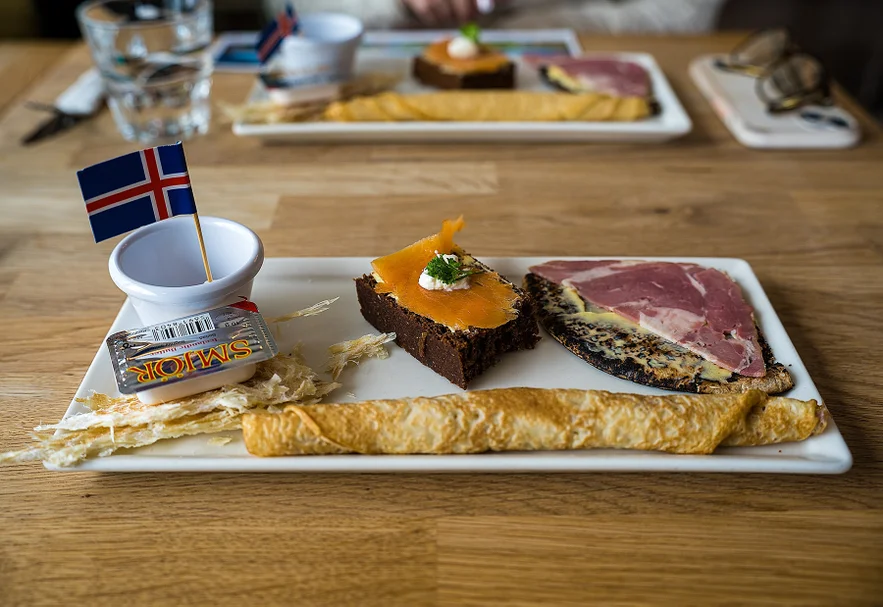
The Icelandic food scene is one of those things that surprises you the more you dig into it. It’s not just about the infamous fermented shark or sheep’s head that make headlines—though those are part of the story. At its heart, Icelandic cuisine comes from a rugged island where people had to get creative with what the land and sea provided: free-roaming sheep, endless fish from cold, clean waters, and dairy from hardy cows. For centuries, preservation techniques like smoking, drying, fermenting, and burying in hot springs kept food edible through long winters. Today, that heritage mixes with fresh, modern takes, especially in Reykjavík’s growing food scene.
I’ve been lucky enough to visit Iceland a couple of times, and nothing beats biting into a hot pylsur (hot dog) from Bæjarins Beztu at 2 a.m. after a night out, or warming up with lamb soup on a windy day. The food feels honest—no frills, just pure flavors from nature. Let’s dive deep into what makes Icelandic food culture so unique.
The Foundations of Icelandic Cuisine
Icelandic food culture revolves around three pillars: lamb, seafood, and dairy. These have sustained people since Viking settlers arrived over a thousand years ago. Limited arable land meant no big grain fields or orchards, so diets leaned heavily on animals that could graze freely and fish that swam abundantly.
Lamb comes from sheep that roam wild-ish in summer, eating herbs and grasses, giving the meat a clean, mild taste without much gaminess. Seafood benefits from pristine North Atlantic waters—think cod, haddock, Arctic char, and langoustine. Dairy shines through skýr, a thick, protein-packed staple that’s basically everywhere.
Modern influences have brought international twists, but locals still cherish the old ways, especially during holidays or Þorrablót (midwinter feast).
Traditional Icelandic Meat Dishes
Meat, especially lamb, holds a special place. Icelanders use almost every part of the animal—waste not, want not.
Icelandic Lamb (Kindakjöt)
If there’s one ingredient that screams Iceland, it’s lamb. The free-range animals produce lean, flavorful meat that’s tender and subtly grassy.
Popular preparations include roasted leg of lamb (lambalæri) for Sunday dinners or holidays, and hangikjöt—smoked lamb that’s a Christmas classic, often served cold with béchamel or in sandwiches.
Pros of Icelandic lamb:
- Naturally grass-fed and hormone-free
- Leaner than many imports
- Versatile for soups, roasts, or grilling
Cons:
- Can be pricey due to small production
- Limited availability outside peak seasons
Kjötsúpa (Lamb Soup)
This hearty soup is comfort in a bowl—chunks of lamb on the bone, root veggies like turnips, carrots, and potatoes, simmered slowly. It’s the go-to cure for colds or hangovers, and every family has their version.
I remember slurping it at a small café near Thingvellir after hiking; the warmth cut right through the chill.
Svið (Singed Sheep’s Head)
For the brave, svið is a boiled sheep’s head, singed to remove wool, then served with mashed turnips. The cheeks are tender; some scoop out the eyes. It’s a Þorrablót staple.
It’s polarizing—adventurous eaters love the gelatinous texture, but it’s not for everyone.
Seafood and Fish in Icelandic Culture
With the ocean on all sides, fish has always been king.
Fresh Fish and Seafood
Cod, haddock, halibut, and Arctic char appear grilled, pan-seared, or in stews. Langoustine (humar) tails are sweet and buttery—often just grilled with garlic.
Plokkfiskur, a creamy mashed fish-potato casserole with onions and béchamel, is everyday home cooking. It’s simple but deeply satisfying.
Harðfiskur (Dried Fish)
Wind-dried fish (usually cod or haddock) is like jerky but flakier. Pair it with butter for a snack—crunchy, salty, and oddly addictive.
Hákarl (Fermented Shark)
The infamous one: Greenland shark buried for months to ferment, then hung to dry. It reeks of ammonia, tastes pungent. Chase with brennivín (akvavit) to dull the edge.
Many try it once for the story—I did, and let’s say once was enough!
Dairy and Everyday Staples
Dairy is huge, thanks to Viking-introduced cows.
Skyr
This thick, strained dairy product is like yogurt but tangier and higher in protein. Eat it plain, with berries, or in smoothies. It’s breakfast, snack, dessert—versatile and healthy.
Icelanders consume tons yearly; it’s exported worldwide now.
Rúgbrauð (Rye Bread)
Dark, dense, slightly sweet rye bread baked in hot springs (geothermal rye) or ovens. Crustless, moist, perfect with butter, smoked lamb, or pickled herring.
The hot-spring version has an earthy flavor from slow baking underground.
Breads, Pastries, and Sweets
Baking is a cozy Icelandic tradition.
Kleinur
Fried twisted doughnuts, spiced with cardamom. They’re like lighter churros—perfect with coffee.
Laufabrauð (Leaf Bread)
Thin, crispy fried bread cut into leaf patterns for Christmas. It’s decorative and delicious.
Icelandic Ice Cream and Bragðarefur
Soft-serve ice cream is obsession-level. Bragðarefur (“tasty fox”) lets you mix flavors and toppings.
Rhubarb desserts or cakes pop up too, since it grows well here.
The Famous Icelandic Hot Dog (Pylsur)
Don’t leave without trying one at Bæjarins Beztu Pylsur in Reykjavík. Lamb-beef-pork blend, topped with fried onions, remoulade, ketchup, mustard—”eina með öllu” (one with everything).
Cheap, quick, and locals queue for them late-night. It’s the ultimate Icelandic street food.
Modern Icelandic Food Scene
Reykjavík has evolved—Nordic cuisine with local twists at places like Dill (Michelin-starred) or casual spots serving fusion.
Farm-to-table is big: fresh ingredients, sustainability focus. Vegetarian/vegan options grow, with skyr-based dishes or veggie versions of classics.
Where to Try Icelandic Food
- Reykjavík hotspots: Bæjarins Beztu for hot dogs, Icelandic Street Food for soups in bread bowls, Sandholt Bakery for pastries.
- Supermarkets: Grab skyr, harðfiskur, or flatkökur (rye flatbread) for picnics.
- Tours: Food walks or Þorrablót events for traditional platters.
People Also Ask (PAA)
What is the national dish of Iceland?
Hákarl (fermented shark) is often called the national dish, though many say skyr or lamb soup is more everyday.
What do Icelanders eat for breakfast?
Skyr with fruit or jam, oatmeal (hafragrautur), bread with cheese or hangikjöt, sometimes cod liver oil.
Is Icelandic food expensive?
Yes, dining out can be pricey due to imports, but street food like hot dogs or grocery meals are affordable.
What is a typical Icelandic dinner?
Lamb roast, fish stew, or plokkfiskur with potatoes and veggies.
Are there vegetarian options in Iceland?
Increasingly yes—skyr, soups without meat, veggie hot dogs, and modern restaurants offer plant-based choices.
FAQ
Is fermented shark really as bad as it sounds?
Yes, the smell is intense—like ammonia—but the taste is milder. Many chase it with strong schnapps. It’s a cultural rite, not daily fare.
What’s the best way to experience authentic Icelandic food?
Eat at local spots, join a food tour, or cook simple dishes like kjötsúpa at home. Supermarkets stock traditional items too.
How has climate affected Icelandic cuisine?
Harsh weather led to preservation methods and reliance on hardy animals/fish. Geothermal energy enables unique baking.
What’s skyr, and why is it everywhere?
A thick, low-fat dairy like strained yogurt, high in protein. Icelanders eat it daily—plain or flavored.
Should I try Þorramatur?
If you’re adventurous, yes—it’s a buffet of cured meats/fish during winter festivals. Otherwise, sample bits like svið or hákarl separately.
Icelandic food tells a story of resilience, ingenuity, and deep connection to nature. From humble lamb soup to bold experiments, it rewards the curious eater. Next time you’re there, skip the tourist traps and go for the real stuff—you’ll leave fuller in every sense.