The Baltic region—Estonia, Latvia, and Lithuania—offers a cuisine that’s hearty, seasonal, and deeply tied to the land and sea. These three countries share influences from Nordic, Slavic, and Germanic traditions, but each has its own personality shaped by local ingredients like potatoes, rye, beets, dairy, pork, and Baltic fish. Growing up with Eastern European roots nearby, I’ve always appreciated how these foods feel comforting yet straightforward—no fuss, just honest flavors that warm you from the inside out on a chilly evening.
If you’re planning a trip to Tallinn, Riga, or Vilnius, or just want to explore from your kitchen, here are 10 must-try Baltic dishes that capture the essence of the region. I’ve selected ones that appear across borders or define each country, drawing from classic preparations and what locals actually eat.
1. Cepelinai (Lithuanian Potato Dumplings)
These massive, football-shaped dumplings are Lithuania’s national pride. Made from grated raw potatoes mixed with cooked ones for binding, they’re stuffed with seasoned minced pork (sometimes beef or cheese for lighter versions), boiled, then smothered in a rich sauce of fried bacon bits, sour cream, and often pork cracklings.
One bite and you’ll understand why they’re nicknamed “zeppelins”—they’re hefty but incredibly satisfying. I once tried them at a small family-run spot in Vilnius after a long walk around the old town; the warmth and creaminess hit perfectly after the cold. They’re labor-intensive at home, but worth it for special occasions.
2. Šaltibarščiai (Cold Beet Soup)
A vibrant pink cold soup that’s a summer staple in Lithuania and popular in Latvia too (as aukstā zupa). It’s built on kefir or buttermilk, blended with boiled beets, fresh cucumbers, dill, scallions, and hard-boiled eggs on the side, often served with hot boiled potatoes.
Refreshing and tangy, it’s the ultimate antidote to humid Baltic summers. Picture sitting on a terrace in Kaunas with a bowl of this—it’s light yet filling, and the dill cuts through the earthiness beautifully. Many visitors are surprised by how much they love a cold soup, but it grows on you fast.
3. Kartupeļu Pankūkas (Latvian Potato Pancakes)
Crispy potato pancakes fried golden-brown, similar to latkes but often served simply with sour cream, lingonberries, or even smoked salmon in modern twists.
In Riga’s Central Market, I watched vendors grate mountains of potatoes and fry them fresh—the smell alone is irresistible. They’re quick comfort food, versatile for breakfast or lunch, and a reminder of how potatoes dominate Baltic tables. Pro tip: pair them with a dollop of garlic sauce for extra kick.
4. Mulgipuder (Estonian Potato and Barley Porridge)
A creamy mash of potatoes and pearl barley, topped with crispy bacon and onions. From the Mulgi region, it’s pure peasant food turned beloved classic.
This dish feels like a hug in a bowl—dense, savory, and perfect for winter. I had it in a cozy Tallinn pub during a rainy afternoon; it was exactly what the weather called for. It’s simple to make at home if you have good barley, and the bacon bits add that irresistible crunch.
5. Pelēkie Zirņi ar Speķi (Latvian Grey Peas with Bacon)
A hearty stew of grey peas (a traditional Baltic variety), boiled until soft, then mixed with fried bacon, onions, and sometimes kefir or sour cream for creaminess.
Often called Latvia’s national dish, especially around Christmas. The peas have a unique nutty flavor, and the bacon makes everything better. I tried this at a market stall in Riga—it was surprisingly addictive, like a rustic baked beans but earthier. It’s great for vegetarians if you skip the bacon, though purists wouldn’t.
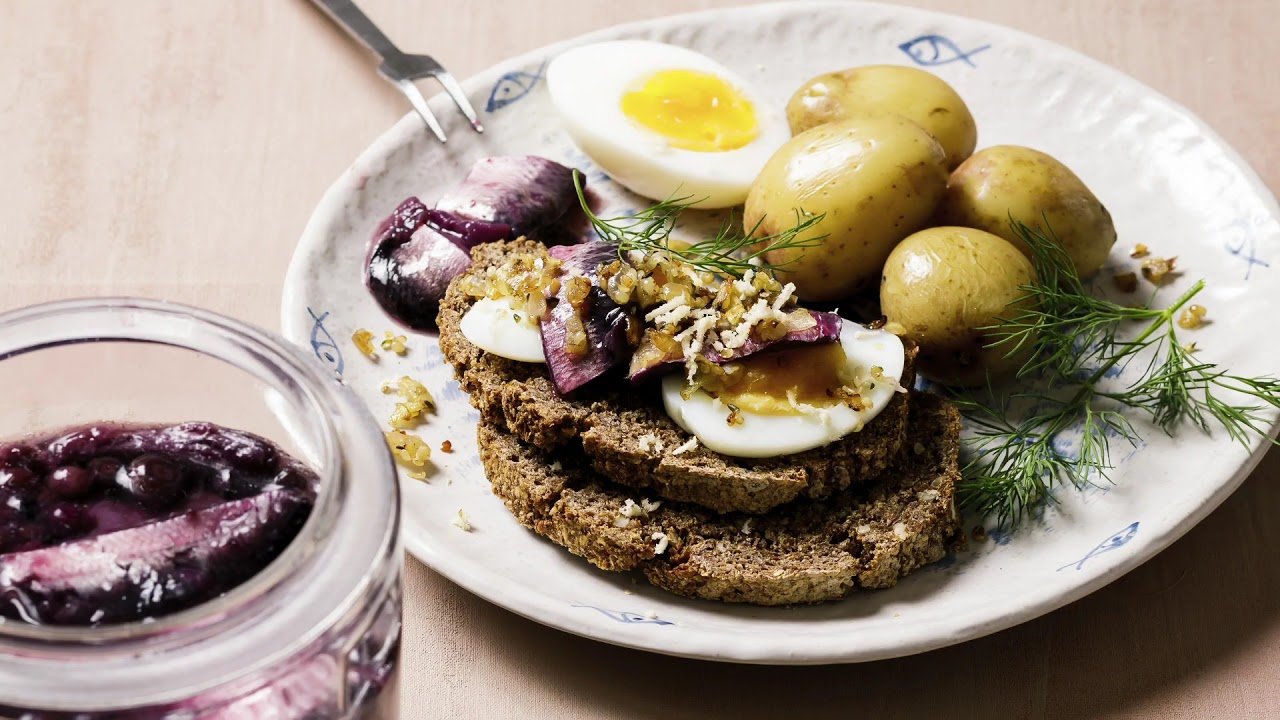
6. Kiluvõileib (Estonian Sprat Sandwich)
Open-faced rye bread slathered with butter, topped with pickled or smoked Baltic sprats (small herring), boiled egg slices, and sometimes onions or pickles.
This is Estonia’s go-to snack—simple, salty, and oceanic. Walking through Tallinn’s Telliskivi district, you’ll spot it everywhere. The contrast of tangy fish against dense rye is perfect with a cold beer. If you’re new to sprats, start here; it’s less intense than full herring.
7. Verivorst (Estonian Blood Sausage)
Blood mixed with barley or rice, onions, and spices, stuffed into casings and boiled or fried. Served with lingonberry jam or lingonberry sauce.
A festive favorite, especially at Christmas markets. The flavor is rich and iron-forward, but the sweetness of lingonberries balances it. I was hesitant at first, but after trying it warm with potatoes, I got the appeal—it’s bold but traditional. Blood sausage appears across the Baltics with slight variations.
8. Pirāgi (Latvian Bacon Buns)
Small yeasted buns filled with chopped bacon and onions, baked until golden.
These are Latvia’s party food—brought to gatherings like pierogi in Poland. Flaky outside, savory inside, they’re addictive. I brought some home from Riga and they disappeared in minutes. Bake a batch; they’re great warm or cold.
9. Kepta Duona (Lithuanian Fried Rye Bread)
Slices of dark rye bread fried crisp, rubbed with garlic, and served with cheese sauce or simply sour cream.
A popular bar snack or appetizer. Crunchy, garlicky, and addictive—think elevated garlic bread. In Vilnius, it’s everywhere with beer. It’s proof that simple ingredients shine when done right.
10. Kugelis (Lithuanian Potato Pudding)
Grated potatoes, onions, bacon, eggs, and milk baked into a crispy-topped casserole.
Often called Lithuanian kugel, it’s comforting and filling. The top gets crunchy while the inside stays creamy. Family recipes vary, but bacon is key. It’s a holiday staple that feels nostalgic even if you’re trying it for the first time.
Comparison of Signature Dishes Across the Baltics
| Dish | Country | Key Ingredients | Best Season | Texture/Style |
|---|---|---|---|---|
| Cepelinai | Lithuania | Grated potato, meat, sour cream | Year-round | Hearty, boiled |
| Šaltibarščiai | Lithuania/Latvia | Beets, kefir, dill | Summer | Cold, refreshing |
| Kartupeļu Pankūkas | Latvia | Grated potato, fried | Year-round | Crispy pancakes |
| Mulgipuder | Estonia | Potato, barley, bacon | Winter | Creamy porridge |
| Grey Peas with Bacon | Latvia | Grey peas, bacon | Winter/Festive | Stew-like |
These dishes highlight shared love for potatoes and pork, but also unique twists like Estonia’s barley focus or Lithuania’s beet obsession.
Pros and Cons of Baltic Cuisine
Pros
- Extremely seasonal and fresh—berries, mushrooms, and fish shine.
- Hearty and affordable, perfect for cold climates.
- Dairy-forward with sour cream and kefir adding tang.
- Strong foraging tradition for wild ingredients.
Cons
- Can feel heavy with lots of potatoes and pork.
- Limited spice variety—relies on salt, dill, and garlic.
- Vegetarian options exist but traditional meals center meat/fish.
People Also Ask
What is traditional Baltic food?
Baltic cuisine revolves around rye bread, potatoes, beets, dairy, pork, and Baltic Sea fish like herring and sprats. It’s hearty, seasonal, and influenced by neighboring cultures.
What is the national dish of Lithuania?
Cepelinai (zeppelins) are widely considered Lithuania’s national dish—large potato dumplings stuffed with meat.
What do Estonians eat for breakfast?
Often dark rye bread with butter, cheese, or sausage, plus kama (barley-rye-pea-wheat mix) porridge or kohuke (curd snacks).
Is Baltic food spicy?
Not typically—flavors come from fresh herbs like dill, garlic, and natural ingredients rather than hot spices.
Where to try authentic Baltic food in the capitals?
In Tallinn: Olde Hansa or Moon for Estonian classics. Riga: Lido or Central Market stalls. Vilnius: Etno Dvaras or Lokys for Lithuanian specialties.
FAQ
Is Baltic cuisine similar to Scandinavian food?
Some overlap with rye bread and fish, but Baltic leans heavier on potatoes, pork, and dumplings, less on seafood elegance.
Are there vegetarian options in traditional Baltic dishes?
Yes—potato pancakes, cold beet soup (without eggs), kugelis variations, or cheese-filled dumplings work well.
What drinks pair with Baltic food?
Local beers, kvass (fermented rye drink), or herbal teas. For stronger, try Vana Tallinn liqueur in Estonia.
Can I make these dishes at home easily?
Most use basic ingredients. Start with potato pancakes or cold beet soup—they’re forgiving and quick.
The beauty of Baltic dishes lies in their simplicity and connection to the land. They’re not flashy, but they satisfy deeply. Next time you’re craving comfort food with character, give one a try—you might find yourself adding grey peas or sprats to your regular rotation. Bon appétit, or kā labi garšo, as they’d say in Latvia!